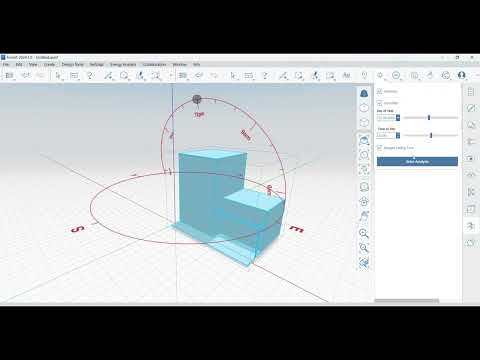
In the modern architectural landscape, designing for sustainability is no longer a luxury—it is a necessity. One of the most critical factors in creating energy-efficient buildings is understanding how solar energy interacts with a structure’s surfaces. By performing a detailed radiation analysis, architects can significantly reduce cooling loads and improve occupant comfort. This is where Autodesk FormIt emerges as an essential tool for early-stage conceptual design and environmental simulation.
The Importance of Climate-Responsive Design
Climate-responsive architecture relies on data-driven decisions made during the earliest phases of a project. Solar heat gain can either be a benefit or a burden, depending on the building’s location and orientation. By utilizing Autodesk FormIt, designers can visualize how much solar radiation hits a facade throughout the year. This information allows for better-informed decisions regarding window placement, shading devices, and material selection, ensuring the building works with its environment rather than against it.
How to Perform Radiation Analysis
The process of analyzing solar impact within the software is both intuitive and powerful. To begin, users typically define the project’s location to pull accurate meteorological data. Once the basic massing of the building is established, the radiation analysis tool provides a visual heat map directly on the 3D model.
This simulation highlights areas of high solar exposure in peak summer months and identifies opportunities for passive heating during the winter. The ability to toggle between monthly and peak analysis ensures that the design is optimized for year-round performance. Using Autodesk FormIt for these simulations allows for rapid iterations, meaning you can test multiple design variations in a fraction of the time it would take with traditional methods.
Transforming Data into Better Architecture
The ultimate goal of radiation analysis is to translate complex energy data into actionable design changes. Whether you are trying to achieve LEED certification or simply aiming to reduce a building's carbon footprint, the insights gained from these simulations are invaluable. By integrating environmental analysis into your workflow early, you minimize the risk of costly retrofits and ensure a more sustainable future for the built environment.
With the right tools and a data-centered approach, creating high-performance buildings becomes a seamless part of the creative process.


