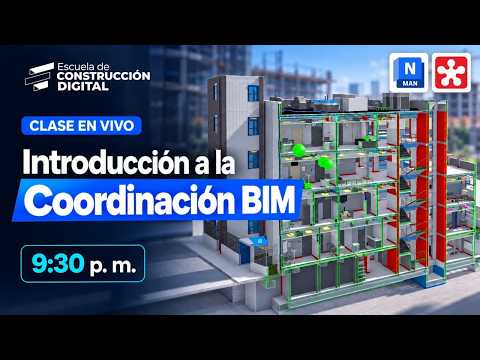
In the modern construction landscape, Building Information Modeling (BIM) has shifted from an optional advantage to an absolute necessity. However, the true challenge lies in effective coordination. To achieve a seamless project lifecycle, professionals are now looking toward integrated workflows that combine the analytical strength of traditional tools with modern collaborative platforms. Today, we are exploring a practical dynamic that leverages the industry-leading power of Autodesk Navisworks alongside the communication agility of Revizto.
The Foundation: Why Autodesk Navisworks is Essential
For years, Autodesk Navisworks has been the cornerstone of clash detection and model aggregation. It allows project managers and BIM coordinators to merge multidisciplinary models—ranging from structural and architectural to MEP—into a single, unified environment. By using its robust interference checking tools, teams can identify spatial conflicts before they ever reach the construction site. This proactive approach is vital for reducing material waste and preventing costly field changes that can derail a project's timeline.
Bridging the Gap with Revizto Integration
While Navisworks excels at finding technical issues, Revizto excels at managing them. Revizto acts as a centralized Issue Tracking System (ITS) that integrates directly with your 3D models. By connecting these two platforms, you transform static clash reports into dynamic, actionable tasks. This synergy ensures that every stakeholder, from the lead architect to the site subcontractor, has visibility into the coordination process. The result is a "single source of truth" that eliminates the confusion often found in long email chains or disconnected spreadsheets.
A Practical Dynamic for Coordination Success
The workflow typically begins by aggregating your Revit, Civil 3D, or IFC files within Autodesk Navisworks. Once the initial clash detection is performed, the data is pushed to the Revizto cloud via a dedicated plugin.
In the Revizto environment, coordination meetings become significantly more efficient. Instead of scrolling through static PDFs, the team can navigate the 3D model in real-time, assign responsibilities, set deadlines, and track the status of every "issue" until it is fully resolved. This live tracking creates accountability and ensures that no clash is left unaddressed.
Conclusion
Mastering the integration between these two powerhouses is a game-changer for any BIM professional. By combining the deep analytical capabilities of Navisworks with the superior communication power of Revizto, you create a coordination process that is not only faster but significantly more accurate. Implementing this practical dynamic will help your team deliver high-quality projects on time and under budget.


