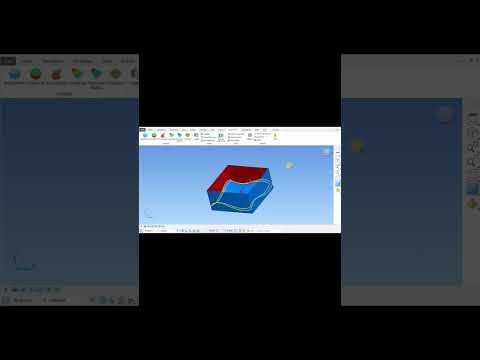
In the fast-paced world of industrial design and manufacturing, precision and flexibility are the pillars of success. Creating complex geometries requires a tool that can handle intricate surfaces with ease while ensuring the model is ready for production. This is where Autodesk PowerShape stands out as a premier solution for CAD/CAM professionals. By bridging the gap between artistic design and engineering accuracy, it allows users to transform complex ideas into reality.
The Power of Surface Modeling
Unlike traditional solid modeling, which can sometimes be restrictive when dealing with organic shapes, surface modeling offers unparalleled freedom. Whether you are working on mold design, high-end automotive components, or complex consumer products, the Autodesk PowerShape workflow is specifically engineered to handle "dirty geometry." It provides the tools necessary to repair, manipulate, and create surfaces that are perfectly optimized for downstream manufacturing processes.
Streamlining Your Modeling Workflow
Efficiency is the core of any professional CAD environment. A quick and effective workflow typically begins with the ability to import data from various sources and instantly identify areas that need refinement. PowerShape’s intuitive interface allows designers to use direct modeling techniques, meaning you can modify geometry without being hindered by a complicated history tree.
Key techniques in a high-quality workflow include: * Surface Analysis: Quickly identifying gaps or overlaps in the geometry. * Hybrid Modeling: Seamlessly combining solids, surfaces, and meshes in a single environment. * Automated Tooling: Using specialized wizards to speed up the creation of electrodes and mold bases.
Why Professionals Choose PowerShape
Many industry experts prefer this platform because it simplifies the transition from a digital concept to a physical part. By mastering Autodesk PowerShape, designers can ensure that their models are not only aesthetically pleasing but also technically sound for CNC machining or 3D printing. The software’s unique ability to blend different modeling paradigms makes it a versatile powerhouse in any engineering toolkit.
Conclusion
Effective 3D surface modeling is a blend of art and science. By adopting a structured workflow and utilizing the advanced features of modern CAD software, you can significantly reduce lead times and improve part quality. Whether you are a seasoned expert or just beginning your journey in the world of CAD/CAM, focusing on specialized surface techniques will undoubtedly elevate your professional capabilities.


