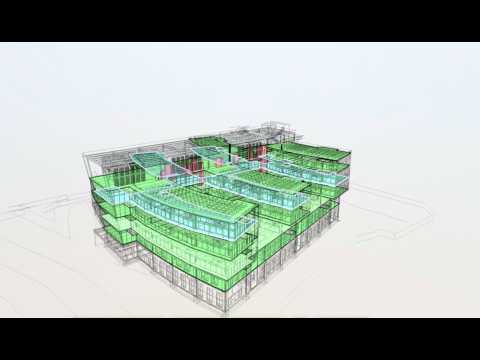
In the fast-evolving world of Architecture, Engineering, and Construction (AEC), efficiency is no longer just a goal—it is a necessity. As projects grow in complexity, the ability to manage data and prevent errors early in the design phase becomes critical. This is where the synergy between Autodesk Forma and the broader ecosystem, including Autodesk BIM 360, transforms the way teams approach project delivery.
The Power of Early-Stage Model Coordination
Traditionally, clash detection was a process reserved for the later stages of a project, often leading to costly rework and delays. However, by utilizing Autodesk Forma Design Collaboration, teams can now perform model coordination during the conceptual phase. This shift allows architects and planners to identify potential spatial conflicts before they ever reach the construction site.
When you integrate these early designs with a robust document management platform like Autodesk BIM 360, you create a seamless bridge between conceptual design and detailed engineering. This connection ensures that every stakeholder is aligned, reducing the "information silos" that frequently plague large-scale developments.
Streamlining Workflows with Design Collaboration
Autodesk Forma simplifies the coordination process by providing a cloud-native environment where models can be aggregated and analyzed in real-time. This proactive approach to clash detection means that designers can resolve site-scale issues—such as building placement, sunlight access, and utility interference—with unprecedented speed.
The workflow becomes even more powerful when data is synchronized across the cloud. By leveraging Autodesk BIM 360 for hosting and sharing model data, project managers can maintain a single source of truth. This integration allows for better version control and ensures that the coordination performed in Forma is accurately reflected as the project matures into detailed Revit models.
Why This Integration Matters for Your Projects
The primary benefit of streamlining your BIM coordination is risk mitigation. By identifying "hard" and "soft" clashes early, firms can save thousands in change orders. Furthermore, the transparency provided by these cloud tools fosters a more collaborative culture, where engineers and architects can solve problems together in a virtual environment.
In conclusion, mastering model coordination within Autodesk Forma is a game-changer for modern AEC professionals. By combining the analytical power of Forma with the industry-standard management capabilities of the Autodesk ecosystem, you ensure that your projects are not only well-designed but also perfectly coordinated for a smoother construction phase.


