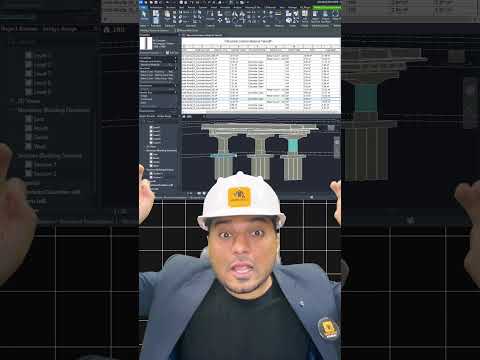
Have you ever wondered what it would be like if a multi-million-dollar bridge existed completely in the digital world before a single shovel touched the dirt? In modern construction, this is no longer a futuristic sci-fi concept—it is standard practice. Today, civil engineering relies heavily on advanced Autodesk software to create complete digital twins of massive infrastructure projects long before physical construction begins.
The Rise of Digital Twins in Infrastructure
Traditionally, building complex infrastructure like bridges involved physical blueprints, scale models, and a significant amount of trial and error on site. A single unaddressed design flaw could cost millions of dollars and cause months of delays.
Enter the concept of the "Digital Twin." A digital twin is an exact, data-rich virtual replica of a physical structure. By building a bridge virtually first, engineers can simulate real-world conditions such as heavy traffic loads, extreme wind speeds, thermal expansion, and seismic activity. Potential conflicts and structural vulnerabilities are identified and resolved inside a digital environment, ensuring maximum safety and precision long before real concrete is poured.
Streamlining Workflows with Advanced Tools
Creating these sophisticated virtual models requires robust, high-performance design solutions. By leveraging industry-standard Autodesk software such as Civil 3D, Revit, and InfraWorks, engineers and architects can seamlessly collaborate across every phase of project development.
These specialized digital tools allow design teams to: - Visualize Complex Geometries: Model intricate bridge structures in fully interactive 3D and 4D environments. - Analyze Real-World Data: Integrate precise terrain maps, soil data, and environmental factors directly into the design space. - Optimize Material Costs: Accurately calculate required raw materials, significantly reducing waste and budget overruns.
Shaping the Future of Civil Engineering
The ability to construct a bridge digitally before building it physically is transforming the architecture, engineering, and construction (AEC) industry. It enhances safety, speeds up construction timelines, and drastically cuts project expenses.
As global infrastructure demands continue to evolve, proficiency in Autodesk software has become an essential asset for forward-thinking engineers and designers. The bridges of tomorrow aren't just built over rivers and highways—they are born in the digital realm.


